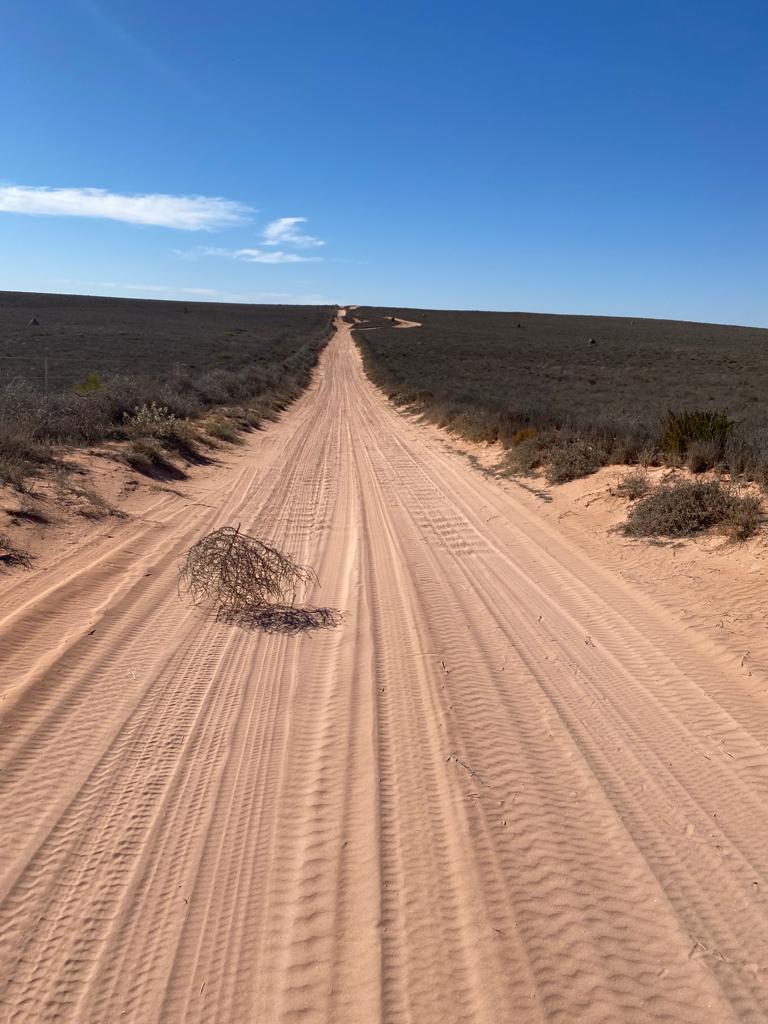
Ningaloo Reef may be less iconic than its eastern counterpart, (Great Barrier Reef) but at 260 kilometres it is Australia’s largest fringing coral reef and the closest to land. When you leave the North West Coastal Highway to drive up to Ningaloo, you enter what first seems to be a tourist trap. The fuel prices suddenly jump by 30 cents, cheap camping becomes much more difficult to find and the campsites that have remaining vacancies charge a coral coast premium. Travellers flood to this area, and the bush camps don’t accommodate large numbers of visitors, meaning that they are booked up months in advance.
Although availability of bush camp spots is scarce, you can book a last minute cancellation at the Milyering visitor centre, along a stretch of the national park which has camps dotted along the way. When I visited we were very lucky to be able to extend our stay by an additional two nights by booking cancelled camp reservations.
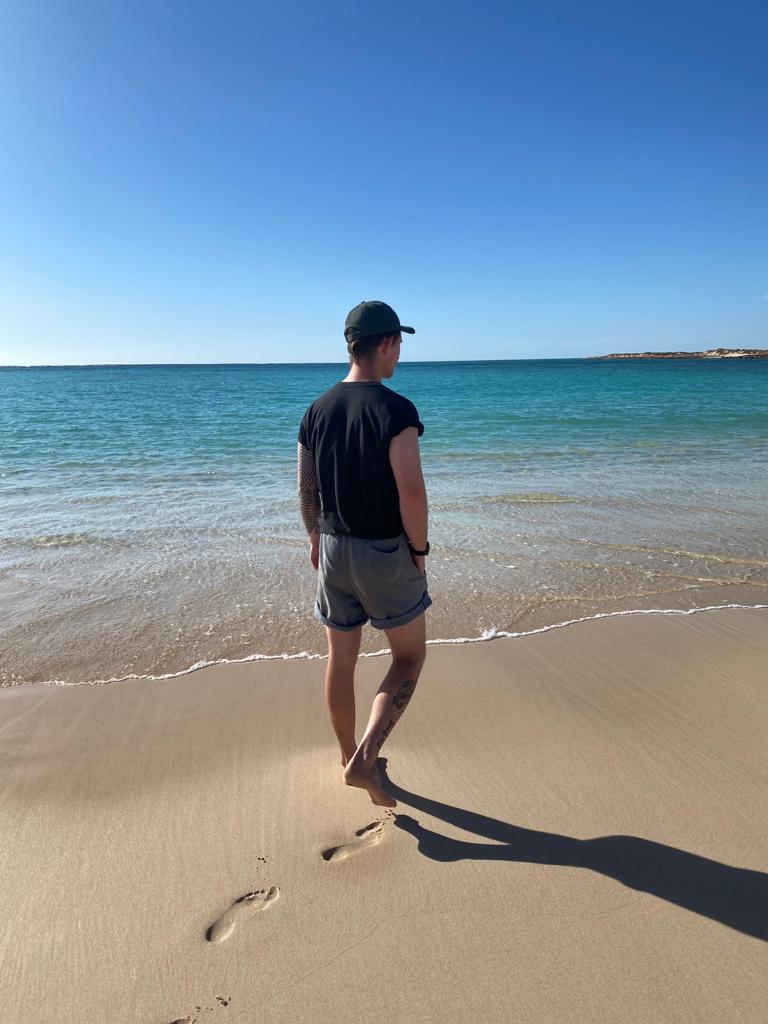
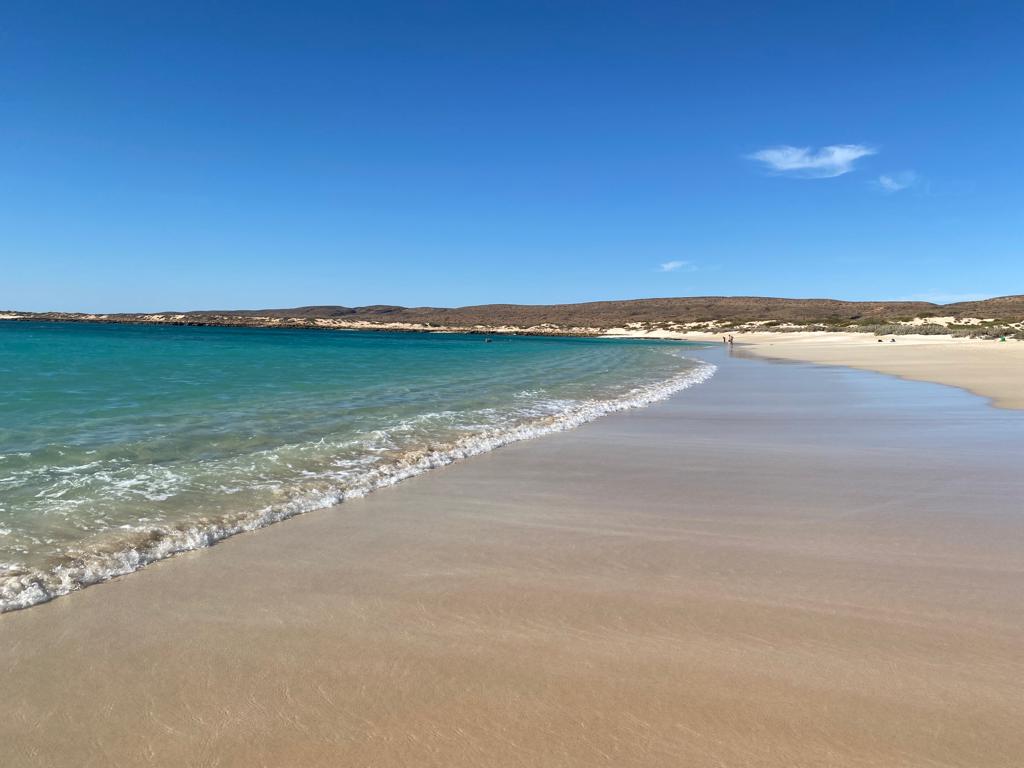
After driving into Cape Range National Park I began to realise why it is so revered. To the east are rugged hills coated with grass and red sandstone crags. The character of the landscape is a great representation of the Australian outback. Even without the marine element, Cape Range would be considered a spectacular national park, due to its abundance of truly unique wildlife. The coastal side is comprised of the most pristine and inviting coastlines that I have ever witnessed.
Marine life at Ningaloo.
Paying for a tour can buy you a better chance at seeing whale sharks, dolphins, dugongs, manta rays and humpback whales.
However, the coral reef is a swim from the shore. If you’re lucky, you might encounter reef sharks, sting rays, turtles and various other wildlife, just from snorkelling.
Various locals that I came across told me with excitement that Ningaloo was one of the most beautiful places in the whole of Australia and the moment I put the snorkelling kit on and put my head under the water it all made sense.
The water was warm and all around was an abundance of marine life, accessible to anyone willing to take a swim out into the deeper waters. There were numerous underwater structures formed by different types of coral, home to a plethora of exotic and vibrant fish. The water was clear enough to see the seabed when swimming up to 100 or so metres from shore. During my time there, I was fortunate enough to see a Blacktip reef shark and a stingray. I’ve always wanted to swim with sharks, so to see one when snorkelling on my own was exhilarating.
While swimming back to shore, I was greeted warmly by the red and brown hills of the Cape Range National Park. It is such a unique combination of Australian bush and world-class marine parks. I couldn’t have imagined such a beautiful location.
Camping at Cape Range.
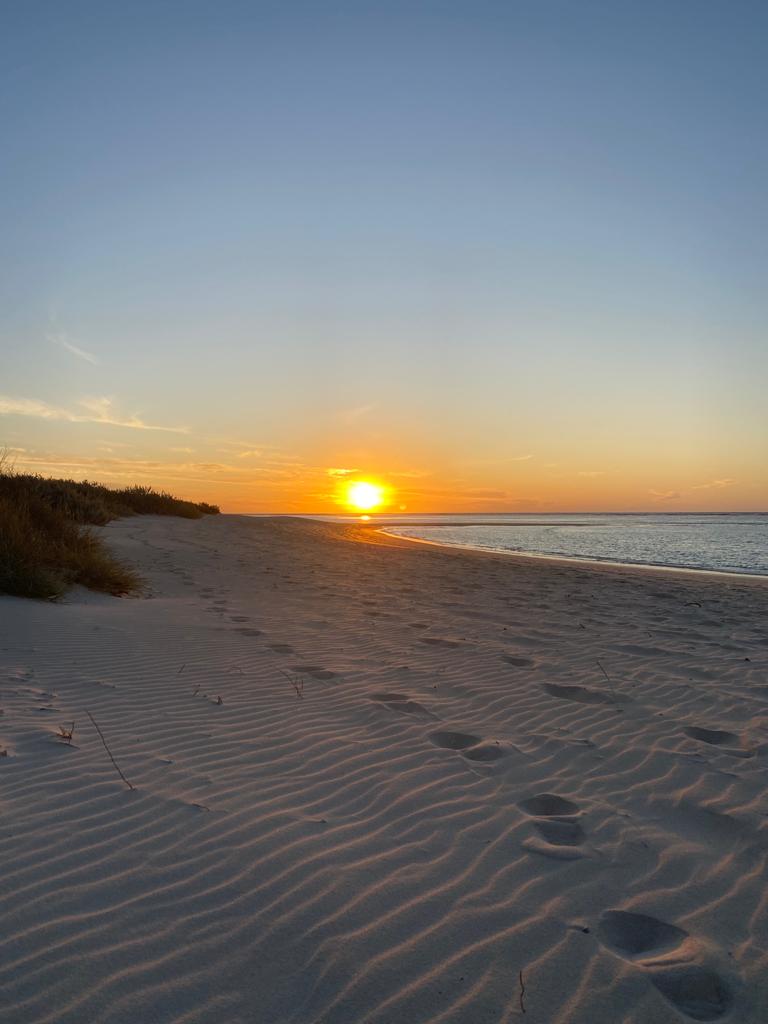
I found the campsites and volunteers alike very accommodating. Most of the camps were simple bush camps but they were clean, well-maintained and had everything needed for a short stay. The campsites are situated a stone’s throw away from the beaches making for a perfect base to explore the national park.
I loved being able to fall asleep to the sound of the waves crashing against the reef. The collision of the waves against the reef was audible from the shore and this was followed by residual waves washing up gently against the beach.
 THE IVY TRAIL